
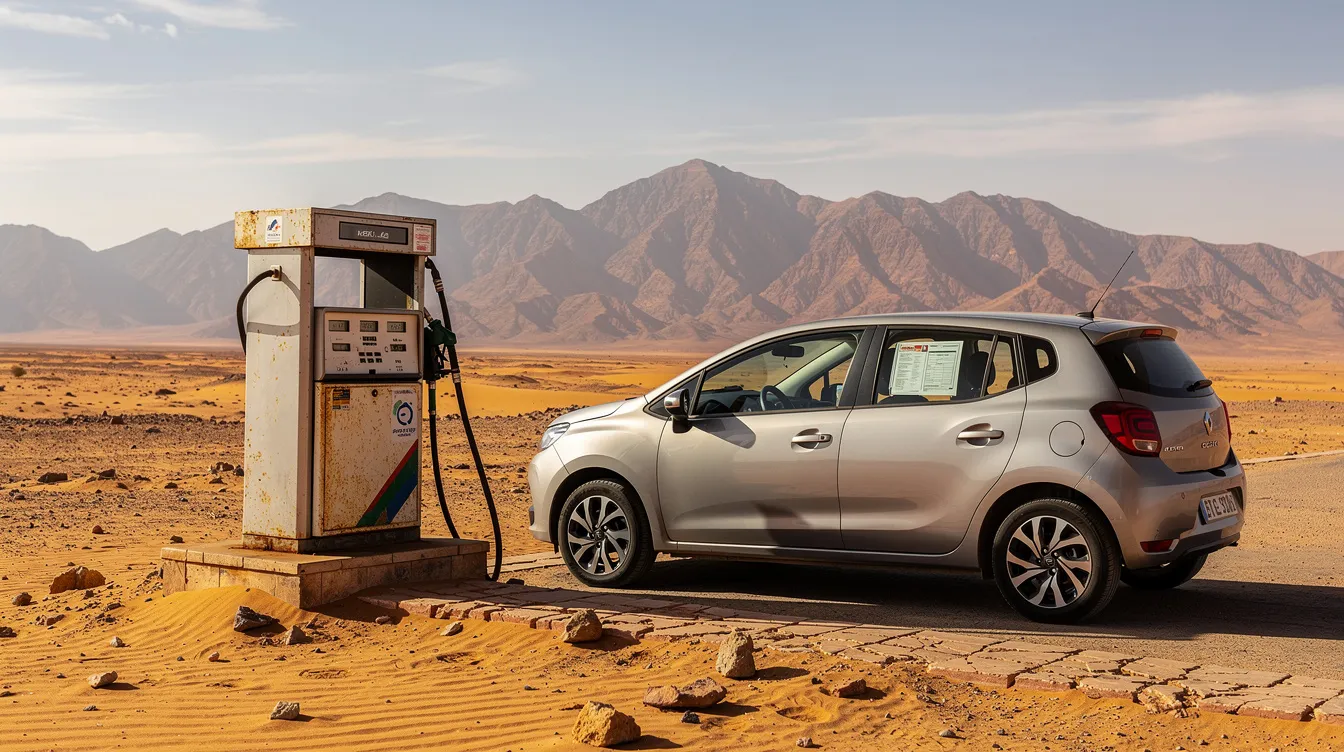
When you book a rental car in Morocco, the daily rate is only part of the equation. The fuel policy, meaning the clause that sets the level the tank must be at when you pick up and return the vehicle, affects what you will actually pay at the end of your trip. Fuel is almost never included in the base rental rate, and fuel policies can vary from one company to another, so it pays to understand the rental car fuel policy in Morocco before you sign.
This guide is for anyone renting from professional agencies in Morocco: tourists, Moroccans living abroad, local residents and business travelers. It explains the most common options (full-to-full, same-to-same, and full-to-empty with prepaid fuel), how each one affects your final cost, and what to get confirmed in writing.
RentalMe is a marketplace that connects renters with professional rental agencies in Morocco: it does not own the vehicles and does not set fuel policies. The exact terms, including any refueling charges and deductions from the security deposit, depend on each agency and should be checked in the written offer and contract.
If you are planning a road trip, you will find more points to check in the Morocco 2027 road trip car rental checklist.
Types of rental car fuel policy in Morocco
A rental car fuel policy is the refueling arrangement that governs the tank level at pickup and return. The three options you will come across most often are full-to-full, same-to-same and full-to-empty. Each agency may use just one or offer several, and the details (how the level is measured, how charges are calculated) are set out in the contract.
Full-to-full
You pick up the vehicle with a full tank and return it full. If you bring the car back with less fuel than required, you will usually be charged for the missing fuel, often at a rate higher than the pump price and sometimes with an added refueling service fee. Ask in advance how this amount is charged and calculated.
The advantage is transparency: in practice you pay only for the fuel you use, provided you fill up before returning the car. The main risk is forgetting to refuel or not having time to do so before the return time.
Same-to-same
The car is handed over with a certain fuel level (full, half, a quarter…), and the same-to-same option requires you to return the vehicle with the starting fuel level recorded at pickup.
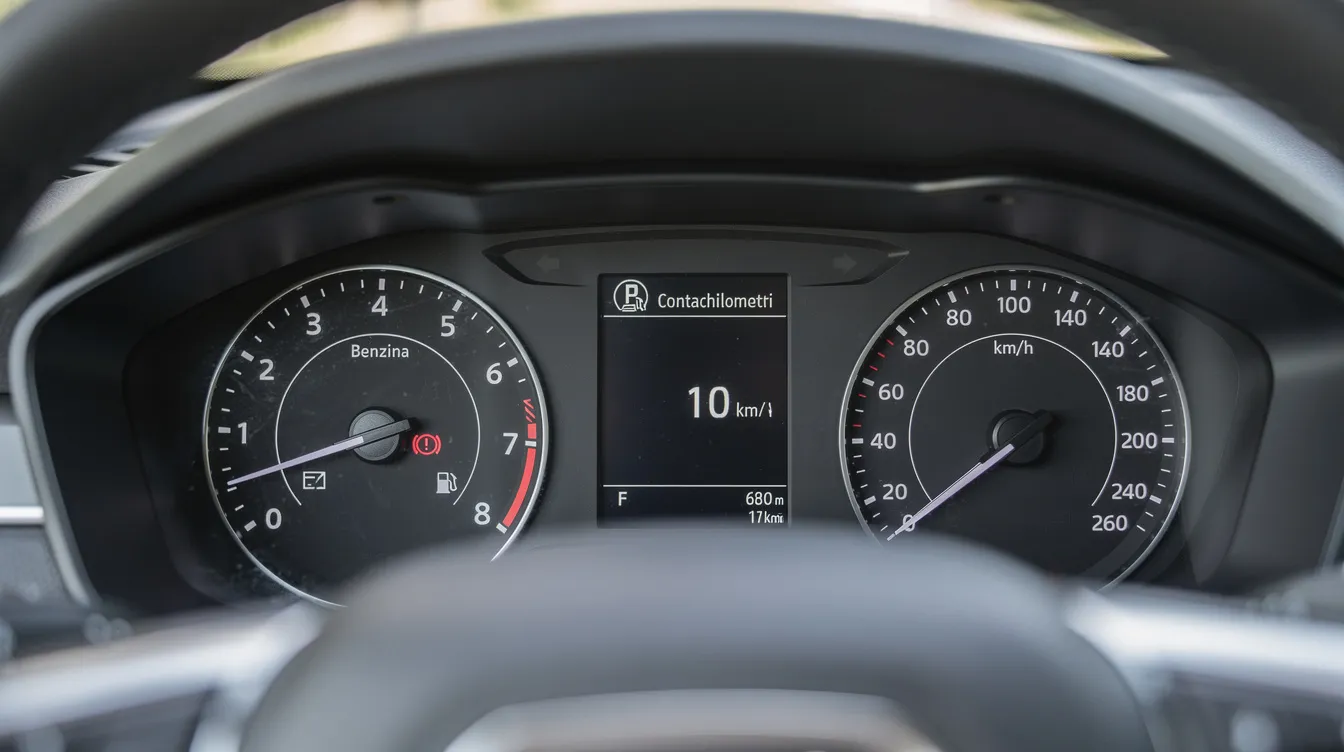
The advantage is that if the starting level is not full, you do not have to fill the tank. The downside is that the fuel gauge is not a precision instrument, so the reading can be interpreted differently. Photographing the dashboard at pickup becomes essential.
Full-to-empty / prepaid fuel
Some agencies give you the option of not filling the tank on return: you pay for a full tank at pickup and can then bring the car back at any level. It is convenient because it removes the last refueling stop, but unused fuel is usually not refunded and the price of the full tank is set by the agency. It mainly makes sense if you plan to drive a lot of kilometers. In some versions, returning the vehicle with an empty tank can still lead to extra costs: always ask for the total cost and the exact terms before accepting.
Other variations
There is no single standard in Morocco. Some agencies, for example, hand over the vehicle with a partial level stated in the contract and ask you to return it at no less than that level. Read the fuel clause in the offer you receive and, if anything is unclear, ask for an explanation in writing.
Fuel policy comparison table (with what to ask the agency)
Use this table as a quick reference before confirming your rental, and especially the "Ask the agency" column to know which information to get confirmed in writing.
| Policy type | How it works | Benefits for the renter | Possible downsides | Ask the agency |
|---|---|---|---|---|
| Full-to-full | Pick up with a full tank, return with a full tank. | Transparency: in practice you pay only for the fuel you use. | If the tank is not full, the agency may charge for the missing fuel plus any service fees. | How is the missing fuel calculated? Are there refueling fees? Are they deducted from the deposit? |
| Same-to-same | Pick up and return at the same level stated in the contract. | No need to fill up if the starting level is partial. | The gauge reading can be interpreted differently; extra fuel is usually not refunded. | At what exact level will the vehicle be handed over? How is the difference measured? Is the level recorded on the pickup report? |
| Full-to-empty (prepaid) | You pay for a full tank at pickup; you can return the car at any level. | No mandatory refueling on return. | Unused fuel is usually not refunded; the price of the full tank is set by the agency. | What is the total cost of the full tank? Are there service surcharges? Is there a refund for unused fuel? |
How much renting costs and what is not included
As a reference, RentalMe gives an indicative price range of 100–700 DH per day for the rental. This is only a guide, not a quote: the actual rate depends on the agency, the vehicle and the period. Fuel, the deposit and extras are not included in this range and must be confirmed in the written offer.
Picking up the car: step-by-step fuel and deposit checks
Pickup, whether at the airport, in town or at the agency, is when you lay the groundwork for avoiding problems at return.
Check the fuel level. Look at the fuel gauge at pickup and note any discrepancies, comparing it with what is written in the contract or pickup report. If the document says "full" but the gauge shows less, have it corrected before you set off.
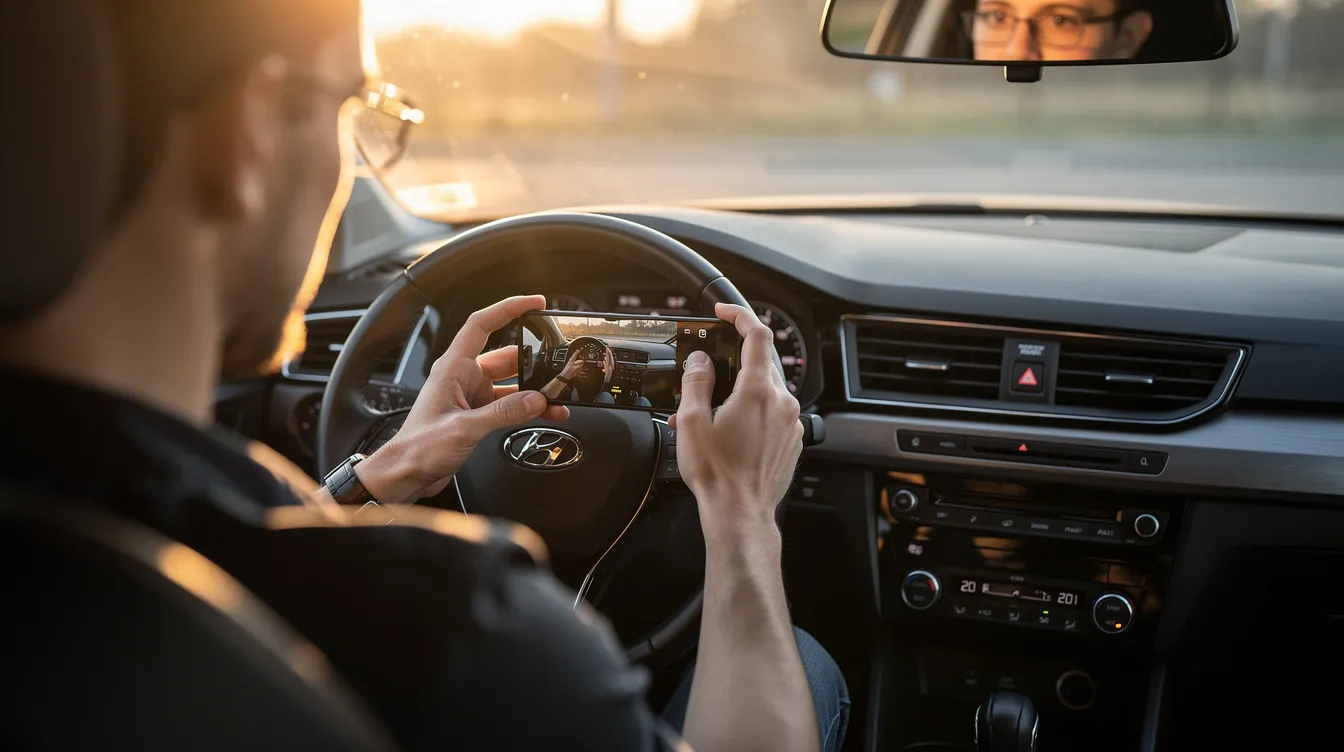
Photograph the dashboard. Take clear photos of the fuel level and the odometer, with the date and time visible. They are your most useful evidence in case of a dispute.
Confirm the fuel type. Ask whether the vehicle runs on petrol or diesel and check that this is written in the contract or near the fuel filler cap. Using the wrong fuel can damage the engine, and the consequences are governed by the contract.
Clarify the security deposit. The deposit is often required on a credit card, usually as a hold (pre-authorization) rather than a charge, and it may be used to cover damage, extra cleaning or missing fuel. Ask about the amount, the cards accepted and how long it takes to be released: these terms vary from one agency to another.
Clarify the link between fuel and the deposit. Ask whether any fuel shortfall at return will be deducted from the deposit or charged separately.
For a full check of the vehicle's condition (bodywork, interior, tires), see the rental car inspection guide for Morocco.
Returning the car: how to avoid extra fuel charges
The last few hours before the return are decisive. A few precautions reduce the risk of disputes.
Plan your last refuel. Find a fuel station along the route to the return point in advance and allow some extra time.
Keep the receipt. Keeping the fuel receipt is recommended in case of disputes: with the date, time and liters, it documents the tank level when you returned.
Photograph the dashboard again. Before switching off the engine, take photos of the fuel level and the final mileage. Together with the pickup photos, they make a complete record.
Full-to-full: the tank must really be full. Make sure the gauge is at the maximum, not "almost full".
Same-to-same: leave a small margin. Returning the car with a little more fuel than the starting level protects you from small differences in reading.
Ask for written confirmation. Ask the agency for a closing document or email showing the recorded fuel level and any charges.
Fuel checklist for pickup and return
Save this checklist on your phone: it applies wherever you pick up the car, whether in Casablanca, Marrakech, Tangier, Agadir or another city.
At pickup
- Check the fuel level on the dashboard
- Compare it with the level written in the contract or report
- Photograph the fuel gauge and odometer with the date and time
- Confirm the fuel type (petrol or diesel)
- Read the fuel clause in the rental contract
- Ask how the deposit will be used if there are fuel differences
- Report any discrepancies immediately before setting off
At return
- Do the final refuel before reaching the return point
- Keep the fuel receipt (date, time, liters)
- Photograph the dashboard again before switching off the engine
- Check that the return report shows the correct level
- Ask for written confirmation of any charges
- Ask when and how the deposit will be released
Message to copy to clarify the fuel policy with the agency
Confirming the fuel terms in writing, by email or message, before pickup protects you in case of a dispute. Copy and customize this text:
Subject: Fuel policy – rental from [DATE] to [DATE] – [CITY / PICKUP POINT]
Hello,
Before picking up the vehicle, I would like written confirmation of the following points:
- Which fuel policy applies to my rental (full-to-full, same-to-same, full-to-empty or other)?
- What fuel level will the vehicle be handed over with, and will the level be recorded on the pickup report?
- Does the vehicle run on petrol or diesel?
- If I return the car with less fuel, how are the missing fuel and any service fees calculated?
- Are these amounts deducted from the deposit or charged separately?
- What document will I receive at return showing the recorded fuel level?
Thank you, kind regards, [FULL NAME]
How RentalMe helps you prepare your rental
The fuel policy depends on the agency and the vehicle you choose, so it is useful to compare offers using the same questions. RentalMe is a marketplace that connects renters with professional rental agencies in Morocco; the terms for fuel, insurance and the deposit remain those of each agency.
RentalMe is currently in pre-launch and bookings are not yet live. You can join the customer waitlist to receive launch updates: signing up is not a booking.

FAQ on rental car fuel policy in Morocco
Which fuel policy is best value for a road trip in Morocco?
It depends on your itinerary. Full-to-full is generally the most transparent because you pay only for what you use, provided you refuel before returning the car. Same-to-same can be practical if the starting level is partial. Prepaid fuel mainly makes sense if you expect to use almost all of the fuel. Always compare each agency's written terms.
Can the security deposit cover missing fuel?
It can: some agencies deduct fuel-related charges from the deposit, while others charge them separately. The procedure and release times are stated in the contract, so ask for confirmation before pickup.
What should I do if the fuel level at pickup differs from the one stated in the contract?
Have the document corrected before you set off and photograph the dashboard with the date and time. Do not leave until the discrepancy has been resolved.
Is fuel included in the price range given by RentalMe?
No. The indicative range of 100–700 DH per day covers the rental, is not a quote and does not include fuel, the deposit or surcharges. The actual terms must be confirmed in writing with the agency.
What happens if I put in the wrong fuel?
Using the wrong fuel can damage the engine. Who pays, and how much, depends on the contract and the cover you chose: to avoid it, check the fuel type at pickup and look at the label near the fuel filler cap.
Do all agencies in Morocco apply the same fuel policy?
No. Terms can change from one agency to another, and sometimes even between different branches of the same agency. The only reliable way is to read the contract and ask for written confirmation before pickup.
Understanding the fuel policy before you sign is one of the simplest ways to keep your travel budget under control. It only takes a few minutes: a photo, a receipt and a message to the agency. For the rest of your preparation, go back to the Morocco 2027 road trip checklist or join the RentalMe waitlist.
RentalMe and UnzipTech
RentalMe is UnzipTech’s Moroccan vehicle-rental marketplace, connecting renters with professional rental agencies. See also the parent guide on UnzipTech.